
Generally, carpets in most workspaces quietly soak up everything that passes by, including dust, allergens, food crumbs, and invisible pathogens. While they may appear clean after a fast vacuum, office carpets harbor a surprising amount of contaminants.
These harmful contaminants can impact indoor air quality, employee health, and productivity. Ignoring carpet hygiene can cause unpleasant odors or stains and can quietly undermine the well-being of your workspace.
What is The Invisible Threat beneath Your Feet?
Every day, hundreds of shoes walk across an office floor and bring in dirt, bacteria, and pollutants from outdoors. Over time, these microscopic invaders embed themselves deep into carpet fibers, where regular vacuuming is unable to reach. Moisture from spills or humidity can make the problem worse, creating breeding grounds for mold and dust mites.
These hidden particles don’t just remain on the floor. When employees move around, contaminants can be airborne and can circulate through the office and enter the respiratory systems. This can lead to frequent coughing, sneezing, and eye irritation, the classic symptoms of what’s often called “sick building syndrome.”
What are the Common Health Risks Linked to Dirty Carpets?
Allergies and Respiratory Issues - Dust mites, pollen, and pet dander trapped in office carpets can cause allergic reactions and worsen asthma symptoms. Employees suffering from respiratory conditions are especially vulnerable.
Skin Irritations and Infections - Fungal spores and bacteria thrive in damp carpet fibers that can lead to health conditions like athlete’s foot or dermatitis. They are common in moist climates or poorly ventilated spaces.
Weakened Immunity and Fatigue - Prolonged exposure to poor indoor air quality can weaken the immune system, cause frequent illnesses and fatigue among employees. Over time, this affects health and lowers workplace productivity.
Unpleasant Odors and Mold Growth – The pilled liquids or food particles often go unnoticed, but they can decompose and release unpleasant odors. Mold growth can occur under the carpets and pose long-term respiratory risks.
How to Prevent Carpet-Related Health Hazards?
A proactive cleaning routine and mindful maintenance can keep these threats at bay and help you create a healthier workplace environment.
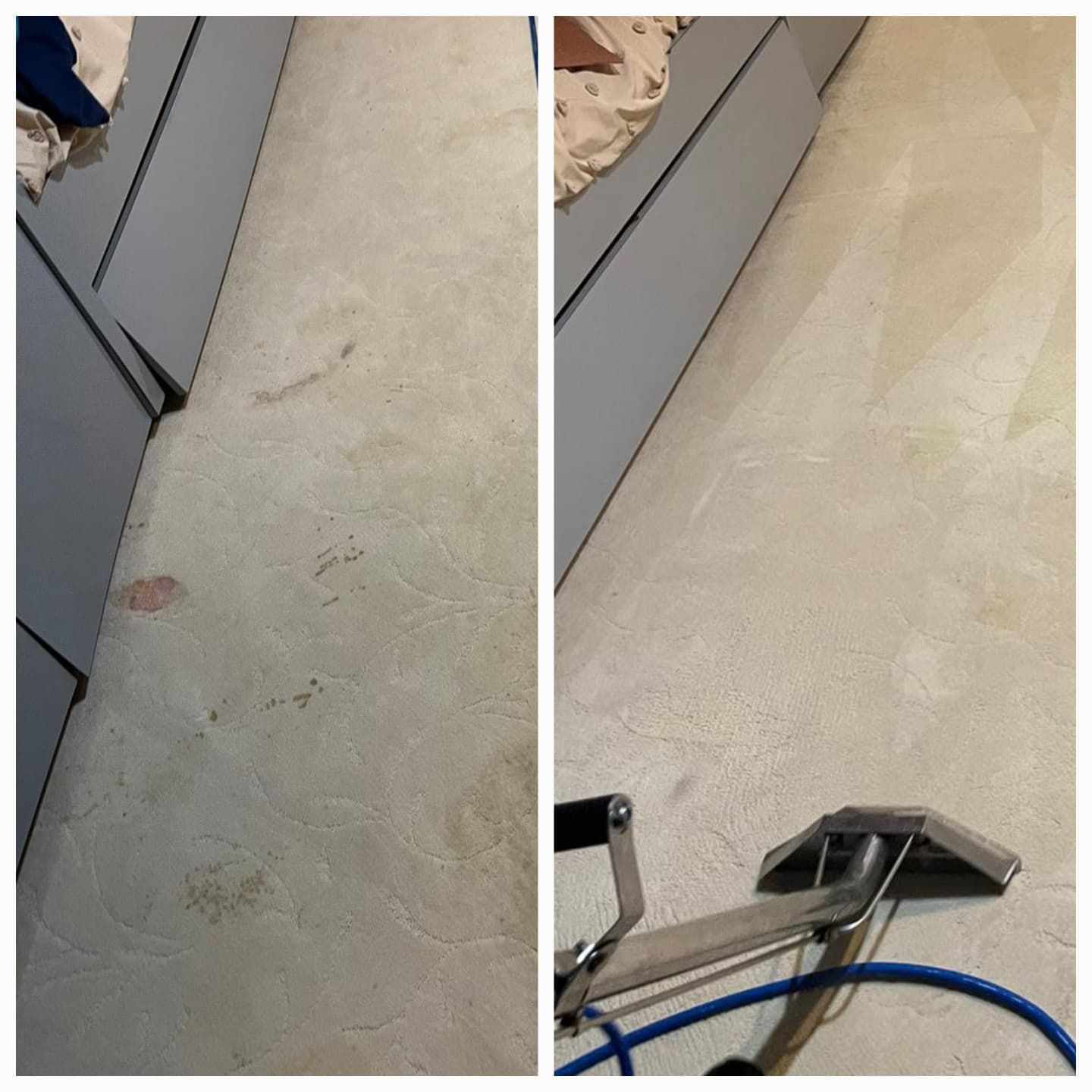
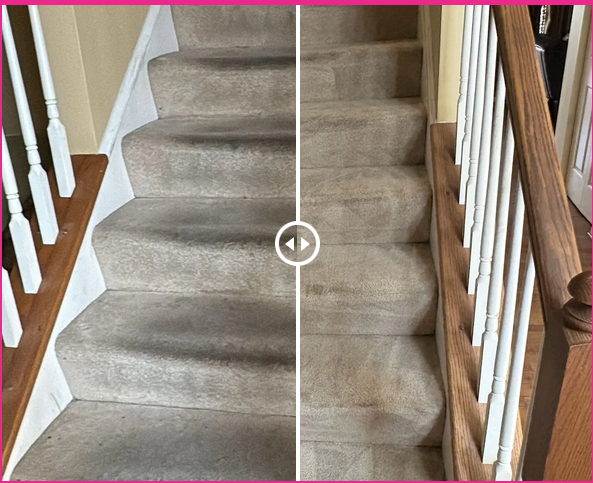
Schedule Regular Deep Cleaning – You can schedule professional carpet cleaning at least twice a year to remove embedded dirt, dust, and allergens Hot-water extraction and eco-friendly steam cleaning are effective.
Vacuum Frequently with HEPA Filters - Daily vacuuming using HEPA-filtered vacuums can trap microscopic particles and prevent them from re-circulating into the air.
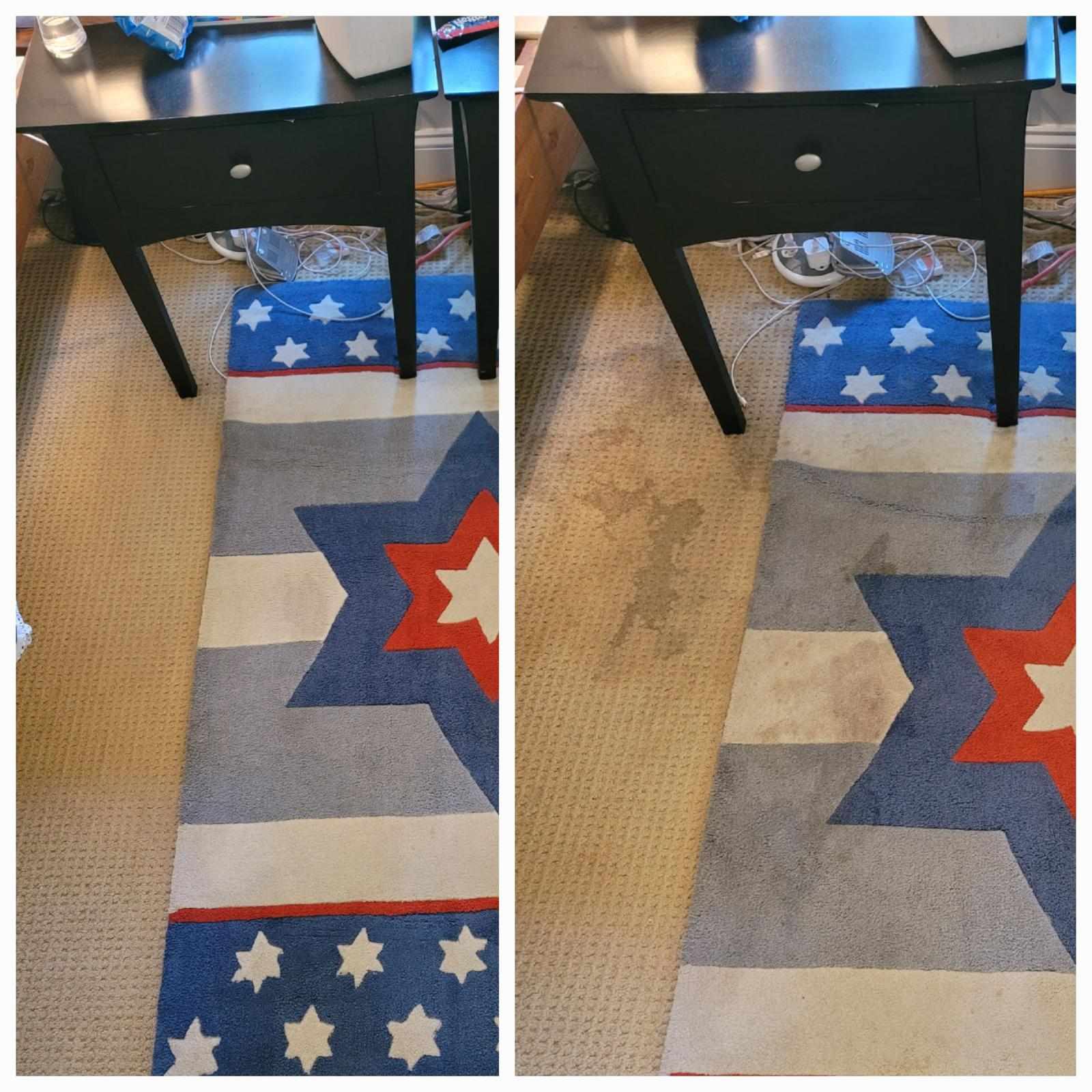
Address Spills Immediately - Faster response to spills can prevent moisture buildup, staining, and bacterial growth. You can encourage a workplace culture where employees report spills promptly.
Use Carpet Protectors and Mats – You can place entrance mats at doorways to reduce the dirt tracked inside. In high-traffic zones, you can use area rugs or runners that can be cleaned or replaced easily.
Ensure Proper Ventilation - A well-ventilated office can dilute airborne contaminants and keep humidity levels balanced which can prevent mold growth.
Bottom Line -
A clean carpet is an investment in your team’s well-being. Office managers can implement regular cleaning schedules and choose professional maintenance. They can reduce absenteeism, improve indoor air quality, and promote a comfortable work atmosphere.
Maintaining clean office carpets safeguards the health and productivity of everyone who walks across them. Schedule commercial carpet cleaning in Washington DC through Mica Carpet & Upholstery Cleaning and let the professionals handle the carpet needs.

Write a comment ...